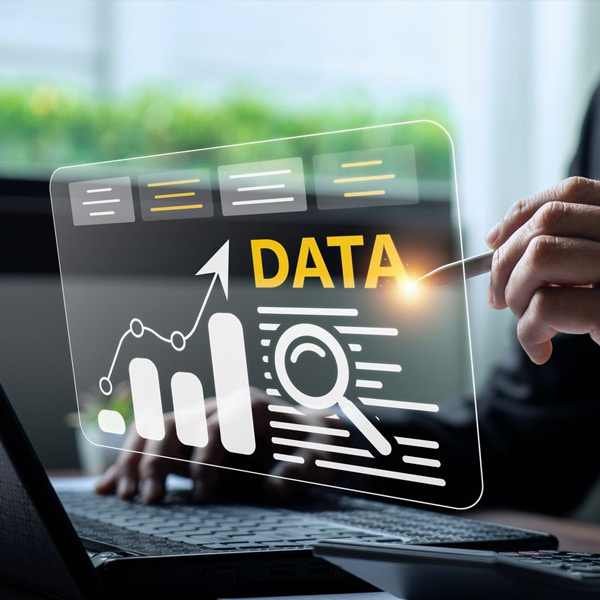
Data Science Dexterity

  • High-growth Career Field: Organizations use data science for prediction, automation, recommendation, customer analytics, fraud detection, and business forecasting.
  • Multiple High-value Skills Together: Learners gain skills in python, statistics, machine learning, visualization, deep learning basics, and real-world project development.
  • Strong Problem-solving Ability: Data science helps learners solve business and technical problems using data, logic, models, and analytical thinking.
6 Months ₹45,999 ₹35,999

Join 300+ students who have already benefited from this course.
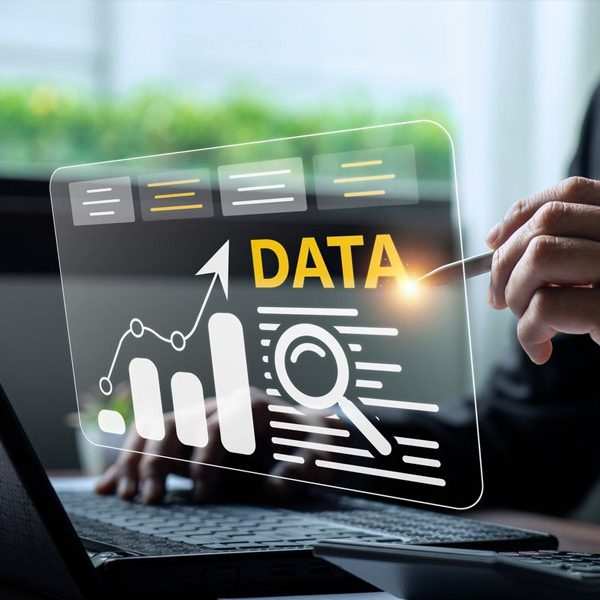
Data Science Dexterity
Limited Seats Available

Upgrade Your Skills
With Industry Ready Courses

Enroll Now

Fast onboarding • Secure • AI-powered experience
Enrollment submitted successfully.

Enrollment Successful 🎉


Course Overview

Data Science is the process of collecting, cleaning, analyzing, visualizing, and modeling data to solve real-world problems and make predictions. This course helps learners work with Python, statistics, data preprocessing, machine learning, feature engineering, deep learning basics, visualization, recommendation systems, forecasting, and industry-level data science projects.

Course with Live Project

No Refund Available

End-to-end Data Science Workflow: Learners Understand The Complete Workflow From Data Collection And Cleaning To Analysis, Visualization, Machine Learning, Evaluation, And Project Presentation.

Machine Learning And Predictive Modeling: The Course Covers Regression, Classification, Clustering, Model Evaluation, Feature Engineering, Ensemble Learning, And Predictive Analytics.

Industry-level Data Science Projects: Learners Work On Projects Like Churn Prediction, Fraud Detection, Recommendation Systems, Sales Forecasting, And Healthcare Prediction.

Course Content

  • Understanding data science concepts deeply
  • Data science lifecycle and workflow stages
  • Ai vs ml vs data science differences
  • Real world data science applications
  • Business problem solving with data
  • Setting up data science environment
  • Working with jupyter and colab tools
  • Understanding data driven systems

  • Python programming fundamentals review
  • Object oriented programming basics
  • Functions and modular programming
  • Data structures for data science
  • File handling and data processing
  • Exception handling techniques
  • Writing efficient python code
  • Python libraries for data science

  • Mean median mode advanced understanding
  • Variance and standard deviation analysis
  • Probability theory for data science
  • Correlation and covariance concepts
  • Linear algebra fundamentals
  • Vectors and matrix operations
  • Data distribution analysis techniques
  • Statistical thinking for modeling

  • Data collection from multiple sources
  • Numpy for numerical computation
  • Pandas for data manipulation
  • Handling missing data properly
  • Data cleaning and transformation
  • Encoding categorical variables
  • Feature scaling and normalization
  • Exploratory data analysis basics

  • Data visualization fundamentals overview
  • Matplotlib for data plotting
  • Seaborn for statistical visualization
  • Distribution and trend analysis
  • Correlation heatmaps creation
  • Insight extraction from data
  • Data storytelling techniques
  • Business insight presentation

  • Introduction to machine learning concepts
  • Supervised learning techniques
  • Regression algorithms understanding
  • Classification algorithms overview
  • Unsupervised learning concepts
  • Clustering techniques overview
  • Model training and evaluation
  • Accuracy and performance metrics

  • Ensemble learning methods
  • Random forest and boosting techniques
  • Xgboost and lightgbm basics
  • Feature importance analysis
  • Hyperparameter tuning methods
  • Handling imbalanced datasets
  • Model optimization techniques
  • Advanced prediction systems

  • Feature selection techniques
  • Creating new data features
  • Handling missing values smartly
  • Encoding and transformation methods
  • Scaling and normalization techniques
  • Outlier detection and removal
  • Improving dataset quality
  • Preparing data for models

  • Neural network basics understanding
  • Activation functions overview
  • Forward and backpropagation concepts
  • Tensorflow and keras introduction
  • Cnn and rnn basics overview
  • Deep learning model training
  • Ai vs deep learning understanding
  • Real world deep learning use cases

  • Natural language processing basics
  • Computer vision introduction
  • Recommendation systems overview
  • Fraud detection systems basics
  • Time series forecasting concepts
  • Ai applications in data science
  • Industry use case understanding
  • Ethical ai and data usage

  • End-to-end data science projects
  • Data cleaning and preparation
  • Model building and training
  • Feature engineering in projects
  • Model evaluation and testing
  • Insight generation and reporting
  • Business problem solving
  • Project documentation skills

  • Building production level data science systems
  • Solving complex real world problems
  • Advanced model optimization
  • Scalable data science solutions
  • Deployment ready model preparation
  • Portfolio and resume development
  • Interview preparation projects
  • Research based project work

  • End-to-end data pipeline design
  • Production data science workflow
  • Advanced predictive modeling
  • Deep learning case study
  • Recommendation system logic
  • Big dataset analysis task
  • Business insight reporting
  • Research-based data analysis

  • Consumer behavior intelligence platform
  • Fraud analytics system
  • Recommendation intelligence engine
  • Smart forecasting platform

Skills Developed with Data Science Course

Python Programming: Learn python fundamentals, functions, data structures, file handling, oop basics, and libraries used in data science.
Mathematics And Statistics: Understand probability, correlation, variance, standard deviation, linear algebra, distributions, and statistical thinking.
Data Cleaning And Preprocessing: Work with missing values, outlier treatment, encoding, scaling, normalization, and dataset preparation techniques.
Data Analysis: Practice numpy, pandas, dataframes, data transformation, merging, joining, and exploratory data analysis.
Data Visualization: Create charts, heatmaps, trend analysis reports, visual stories, and insight-based presentations using matplotlib and seaborn.
Machine Learning: Learn supervised learning, unsupervised learning, regression, classification, clustering, model training, testing, and evaluation.
Feature Engineering: Practice feature selection, feature creation, transformation, scaling, encoding, and dataset quality improvement.
Advanced Ml Techniques: Work with ensemble learning, random forest, boosting, xgboost, lightgbm basics, model explainability, and tuning.
Deep Learning Basics: Understand neural networks, activation functions, tensorflow/keras basics, cnn/rnn overview, and deep learning applications.
Data Science Project Development: Practice end-to-end project workflow, dataset handling, model building, evaluation, documentation, and portfolio presentation.

Career Opportunities after Data Science Course

This course opens doors to multiple high-demand career paths across industries.

Data Scientist:

Analyze data, build predictive models, generate insights, and support decision-making using statistics and machine learning.

Machine Learning Engineer:

Build, train, optimize, and deploy ml models for real-world prediction and automation systems.

Data Analyst:

Clean, analyze, visualize, and report data to support business decisions and performance improvement.

Predictive Modeling Analyst:

Build models for forecasting, risk analysis, customer behavior, and business predictions.

Data Science Project Associate:

Support dataset preparation, feature engineering, model testing, documentation, and data science project execution.

Why Enroll in Data Science with Solitaire Learning?

Complete Beginner To Advanced Curriculum: The course starts with python and statistics, then moves into data analysis, machine learning, deep learning basics, and projects.
Real Dataset Practice: Learners work with practical datasets from business, healthcare, finance, e-commerce, and customer analytics domains.
Portfolio-ready Projects: The course includes projects like churn prediction, fraud detection, recommendation systems, and forecasting models.
Industry-relevant Tools: Learners work with python, numpy, pandas, matplotlib, seaborn, scikit-learn, tensorflow basics, xgboost, and jupyter/colab.
Career And Mentor Support: Learners receive mentor guidance for projects, portfolio building, interview preparation, and career support for data science roles.
Frequently Asked Questions

Have Questions About This Course?

Find answers to the most common questions learners ask before enrolling.

Basic Python knowledge is recommended, but beginner-level guidance is also provided during the training program. Students can gradually build programming skills.

Basic statistics, logical thinking, and analytical understanding are helpful for learning Data Science concepts. Advanced mathematics is not compulsory for beginners.

Yes, beginner-friendly batches are available for students from technical as well as non-technical backgrounds. Concepts are explained step-by-step with practical examples.

A laptop with minimum 8GB RAM, i3/i5 processor, and stable internet connection is recommended for smooth coding, visualization, and project work.

No, Machine Learning fundamentals are covered within the course itself. Students start from basic concepts and gradually move toward advanced topics.

Data Science is a field that involves collecting, processing, analyzing, and interpreting data to solve business and real-world problems. It combines programming, statistics, machine learning, and data visualization techniques.

Students learn Python programming, data analysis, machine learning, statistics, data visualization, predictive modeling, and real-world project development. The course focuses on both theoretical and practical implementation.

Yes, students practice on industry-level datasets related to healthcare, business, finance, retail, and analytics problems. This helps learners gain practical exposure to real scenarios.

Yes, Machine Learning is an important part of Data Science training. Students learn predictive modeling, classification, regression, clustering, and model evaluation techniques.

The course includes Python, Pandas, NumPy, Scikit-Learn, Matplotlib, Seaborn, and Jupyter Notebook. Students also learn data preprocessing and visualization tools.

Yes, students build practical projects like recommendation systems, prediction models, sentiment analysis systems, and business analytics applications. These projects help create strong portfolios.

Yes, every module contains assignments, coding exercises, and implementation-based practice tasks. Regular practice helps improve analytical and problem-solving skills

Yes, students learn charts, graphs, dashboards, and storytelling techniques using visualization libraries and analytics tools. Visualization helps present insights more effectively.

Yes, Data Science is one of the most in-demand career fields with opportunities in analytics, AI, Machine Learning, and business intelligence domains. Skilled professionals are highly valued across industries.

Yes, students receive project mentorship, portfolio-building support, and guidance for internships and placements. Trainers help students build industry-oriented projects.
Course FAQ

Ready to Take the Next Step in Your Career?

Join our expert-led training program, gain industry-recognized skills, and move closer to your professional goals. Seats are limited — enroll today!

Recommended Courses for You